

Oil Movement Overview
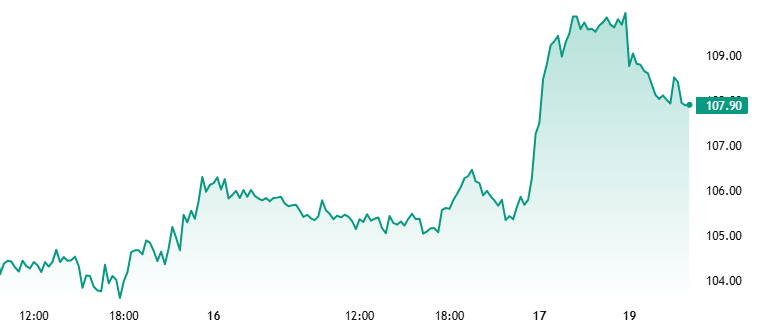
Oil prices fell in early Asian trade on Monday 19 October 2026 after US President Donald Trump signed an executive order waiving a set of sanctions and tariffs on Russia, raising the prospect of larger Russian fuel exports. Brent crude futures fell 1.30% to $108.43 a barrel, as of 07:40 UTC+8 on 19 October 2026. Prices remain elevated after a sharp gain last week.
Key Driver Behind The Move
Trump signed the order on Friday evening, suspending numerous sanctions on Russia days before they were set to take effect. He also waived proposed tariffs on countries that import Russian oil. The measures fall under the Graham Act, a law Trump signed last month at the urging of lawmakers seeking to pressure Moscow over its war in Ukraine.
Trump said the waiver was in the country’s national interests. The order followed a diesel import deal with Russia signed a week earlier, and Trump has blamed Ukrainian attacks on Russian facilities for pushing up global fuel prices. Secretary of State Marco Rubio said the president will take up to 60 days to assess the economic impact of the waiver.
Market Data And Reaction
Brent settled on Friday at $109.86 a barrel, its highest since 19 May 2026, after crude gained nearly 5% over the week as continued supply disruptions, especially in the Middle East, kept prices supported. Monday’s decline reflects markets positioning for improving supply, with the waiver seen as something that may lead to more Russian fuel exports.
Broader Market Implications
The waiver drew some criticism from lawmakers in both parties. Ukraine signaled it will continue attacking Russian infrastructure and expressed dismay at further agreements between Washington and Moscow.
Supply risks outside Russia have not eased. The US standoff with Iran remains in place and continues to disrupt oil flows from the Middle East. Saudi Arabia and Yemen’s Iran-backed Houthis also continued to clash, which further threatens supply in the region.
What Oil Traders Should Watch
- The outcome of Rubio’s assessment of the waiver’s economic impact, which can take up to 60 days.
- Whether the waiver leads to higher Russian fuel exports.
- Whether the US-Iran standoff and the Saudi-Houthi clashes further disrupt Middle East supply.
- Further Ukrainian attacks on Russian infrastructure.