

Gold Movement Overview
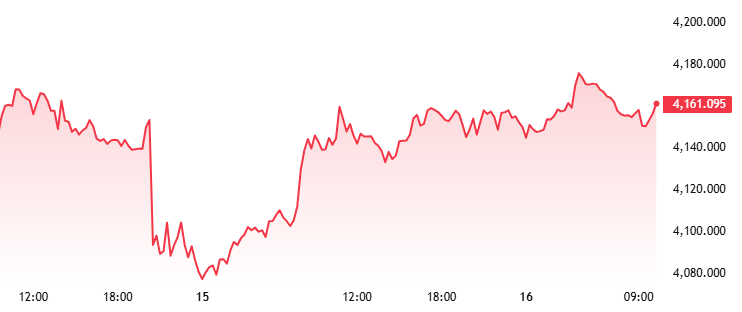
Gold climbed on Thursday as a sharp rally in US Treasuries and a weaker dollar outweighed a much hotter-than-expected producer inflation report. Spot gold rose 1.6% to settle at $4,170.64 an ounce, as of 05:03 UTC+8 on 16 October 2026. The gain came even though the data kept Federal Reserve rate expectations in focus.
Key Driver Behind The Move
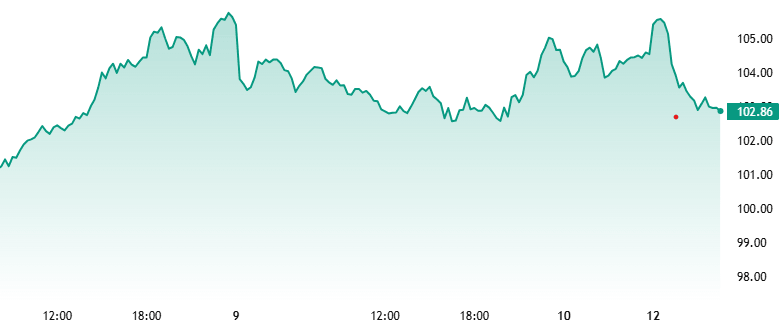
Falling borrowing costs set the direction. The benchmark 10-year Treasury yield ended at 5.061% after a sharp decline, easing pressure on non-yielding bullion. The move followed a bond rout that had driven yields to multi-decade highs. Treasuries were seen regaining safe-haven appeal amid growing concern over the volume of corporate debt being issued to fund artificial intelligence infrastructure. A softer dollar added support.
Market Data And Reaction
The Bureau of Labor Statistics reported that headline producer prices rose 1.3% in September, the largest monthly increase in four and a half years. Economists had expected a much smaller gain. The annual rate also accelerated, and core prices, which exclude food and energy, climbed more than forecast.
Energy was the main contributor, accounting for most of the rise in goods prices, which posted their largest increase since the series began. The report followed similarly hot consumer price data a day earlier.
Broader Market Implications
Other data pointed to a resilient consumer and a stable labour market, with retail sales beating forecasts and weekly jobless claims staying near their lowest levels in years. Combined with high inflation, those conditions typically support a Federal Reserve that holds rates or tightens, and higher rates tend to weigh on gold.
Chris Osmond, chief investment officer at Fifth Third Wealth Advisors, said a pause remains defensible, but “the cost of waiting rises if inflation fails to cool.” He described the data mix as increasingly awkward for the central bank.
Gold’s rise came as falling yields outweighed the inflation data.
What Gold Traders Should Watch
- The Federal Reserve’s policy meeting on 27–28 October 2026, with the decision due on 28 October 2026 US time.
- Whether Treasury yields extend their retreat or resume climbing after the recent rout.
- Energy prices, which drove a large share of both the producer and consumer inflation readings.