

The US dollar climbed to a two-week high on Friday as markets increased expectations that the Federal Reserve could keep monetary policy restrictive, pushing Treasury yields higher and pressuring Asian currencies. The Dollar Index (DXY) advanced as investors reassessed the outlook for US interest rates, while the Japanese yen remained supported near a seven-month high following recent intervention concerns.
Market Snapshot
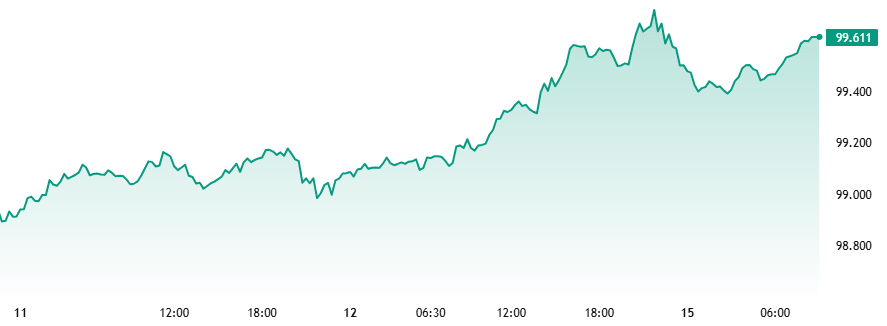
The Dollar Index (DXY), which tracks the US currency against six major counterparts, rose to its highest level in two weeks as investors increased demand for dollar-denominated assets. The move reflected stronger expectations for higher US interest rates and a widening yield advantage over other major economies.
USD/JPY traded near 154.30, holding close to its recent seven-month peak after the yen weakened sharply earlier in the year. The pair remained sensitive to the widening gap between US and Japanese interest rates, with markets watching for potential comments from Japanese officials regarding excessive currency volatility.
Fed Rate Expectations Lift Dollar Demand
The dollar rally was driven by a reassessment of Federal Reserve policy expectations after markets increased the probability of further tightening. Investors have been monitoring signs that inflation remains persistent and that the US economy continues to show resilience despite previous rate increases.
The Federal Reserve’s benchmark interest rate currently remains in a restrictive range, with policymakers emphasising that future decisions will depend on inflation progress and economic data.
Market pricing showed traders increasing bets on a potential Fed rate hike, with expectations reaching around 95% according to market pricing referenced by financial platforms. The shift marked a significant change from earlier expectations that the Fed could move towards easing policy.
US Treasury yields also supported the dollar. The benchmark 10-year Treasury yield remained elevated as investors adjusted positions based on the possibility of higher-for-longer interest rates. Rising yields typically increase the appeal of US assets by improving returns on government bonds compared with lower-yielding alternatives.
Asian Currencies Face Renewed Dollar Pressure
Asian currencies broadly weakened as the stronger dollar reduced demand for regional currencies. The yen was one of the better-performing Asian currencies, supported by expectations that Japanese authorities could intervene if depreciation pressures intensified.
The Bank of Japan’s policy outlook remained a key factor for USD/JPY. Japan’s benchmark interest rate remains significantly below US levels, keeping the interest-rate differential as an important driver of currency movements.
The dollar’s strength also weighed on emerging Asian currencies, which are often sensitive to changes in US yields and global liquidity conditions. Investors monitored whether higher US borrowing costs could continue attracting capital flows into dollar assets.
Rate Outlook And Currency Risks In Focus
The latest move highlights the importance of interest-rate expectations in driving currency markets. A stronger US dollar environment can create pressure on currencies where central banks have less room to raise rates or where economic growth remains uncertain.
The next major focus for markets will be upcoming US inflation data and Federal Reserve communication. Inflation readings remain central to expectations for the Fed’s policy path, particularly after previous data showed progress in slowing price pressures but not enough for policymakers to declare victory.
A stronger-than-expected inflation result could reinforce expectations for tighter policy, while weaker data could reduce pressure for additional rate increases.
What Forex Traders Should Watch
Forex traders will focus on the direction of US Treasury yields, Federal Reserve rate expectations and upcoming economic data releases as the main drivers of dollar movements.
For USD/JPY, attention will remain on Japanese government comments regarding currency volatility, as well as whether changes in Bank of Japan policy expectations could narrow the gap between Japanese and US interest rates.
Markets will also watch upcoming US inflation figures, employment data and Federal Reserve commentary for further signals on whether interest-rate expectations continue shifting.