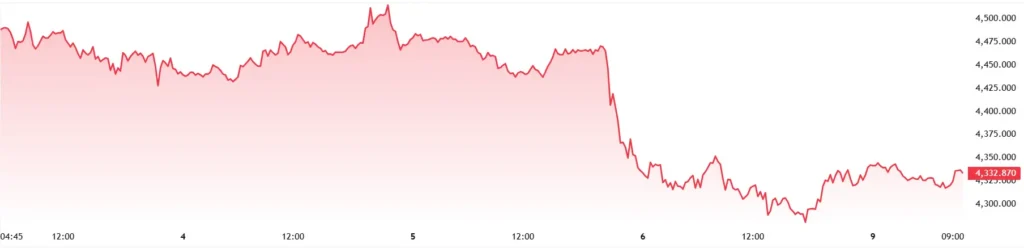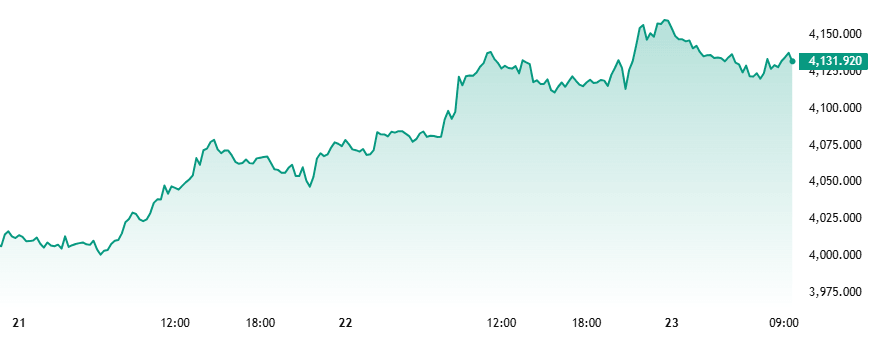


Bitcoin fell nearly 1% on Tuesday as rising oil prices and increased expectations of further Federal Reserve tightening reduced demand for risk-sensitive assets. The cryptocurrency declined towards $78,000 as investors reassessed the impact of higher energy costs and a potentially more restrictive US monetary policy outlook.
Market Snapshot
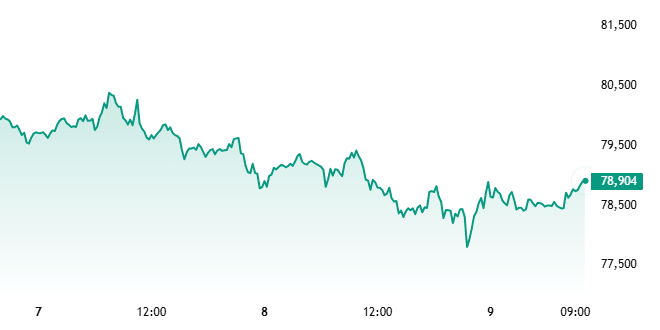
Bitcoin (BTC/USD) traded around $78,000 after losing momentum from its recent recovery. The decline followed a period of volatility as traders balanced improving institutional demand against renewed macroeconomic pressure.
Other major cryptocurrencies also moved lower. Ether and several large-cap digital assets declined as investors reduced exposure to higher-risk markets.
The broader cryptocurrency market remained sensitive to movements in US Treasury yields and the US dollar, with both factors influencing investor appetite for speculative assets.
Fed Rate Expectations Pressure Sentiment
The main pressure on Bitcoin came from changing expectations around Federal Reserve policy.
Recent economic developments have encouraged some investors to maintain expectations that interest rates may stay higher for longer. Higher rates typically weigh on cryptocurrencies because they increase the appeal of yield-generating assets such as government bonds.
Markets have been closely monitoring inflation trends and Federal Reserve communication for clues on whether policymakers will continue to prioritise price stability over supporting economic growth.
A more hawkish Fed outlook could reduce liquidity available for risk assets, creating additional pressure on Bitcoin and other cryptocurrencies.
Analysts said Bitcoin’s recent weakness reflected a broader adjustment in positioning rather than a fundamental shift in long-term demand.
Rising Oil Prices Add Inflation Concerns
Higher oil prices added another challenge for financial markets.
Crude prices climbed as geopolitical tensions increased concerns over potential disruptions to energy supplies. The rise in oil prices raised questions about whether inflation pressures could remain elevated for longer.
Higher energy costs can complicate central-bank decisions because they may slow progress towards inflation targets. For the Federal Reserve, renewed inflation risks could delay interest-rate cuts or encourage policymakers to maintain a restrictive stance.
The combination of stronger oil prices and higher rate expectations weighed on global risk appetite, affecting equities, cryptocurrencies and other growth-sensitive assets.
Crypto Market Faces Broader Adjustment
Bitcoin has experienced significant volatility after a strong rally earlier in the year.
The cryptocurrency had benefited from institutional demand, increased adoption of exchange-traded funds and expectations of a more supportive regulatory environment in the United States.
However, recent market movements have highlighted Bitcoin’s continued sensitivity to traditional financial conditions. Changes in liquidity, bond yields and investor risk appetite remain key drivers of short-term price movements.
The market has also been watching developments around US cryptocurrency regulation. Clearer rules could support institutional participation, but delays or uncertainty could limit near-term momentum.
Institutional Interest Remains In Focus
Despite the pullback, institutional interest remains an important factor supporting Bitcoin.
Spot Bitcoin exchange-traded funds have increased access for traditional investors, while major financial institutions continue to expand their digital asset offerings.
However, traders remain cautious about positioning after recent gains. A stronger dollar, higher yields and tighter financial conditions could encourage investors to reduce exposure to volatile assets.
Crypto market participants are also monitoring whether Bitcoin can maintain support near current levels or whether further selling pressure could push prices lower.
Outlook
Traders will watch upcoming US inflation data, Federal Reserve commentary and Treasury yield movements for signals on the future direction of risk assets.
Oil prices will remain another important factor, with further increases potentially strengthening inflation concerns and delaying expectations for monetary easing.
Bitcoin’s ability to recover will likely depend on whether investors regain confidence in a more supportive liquidity environment. A shift towards lower rate expectations could provide renewed support, while persistent inflation risks may continue to weigh on cryptocurrency markets.